🏠ASP
Back to blog
Leases 9 min2025-08-13

Rent-to-own: how it works and risks to watch for

How rent-to-own works in the USA. Advantages, risks, contract details and how to protect yourself from scams.

Rent-to-own: how it works and risks to watch for

What is rent-to-own?

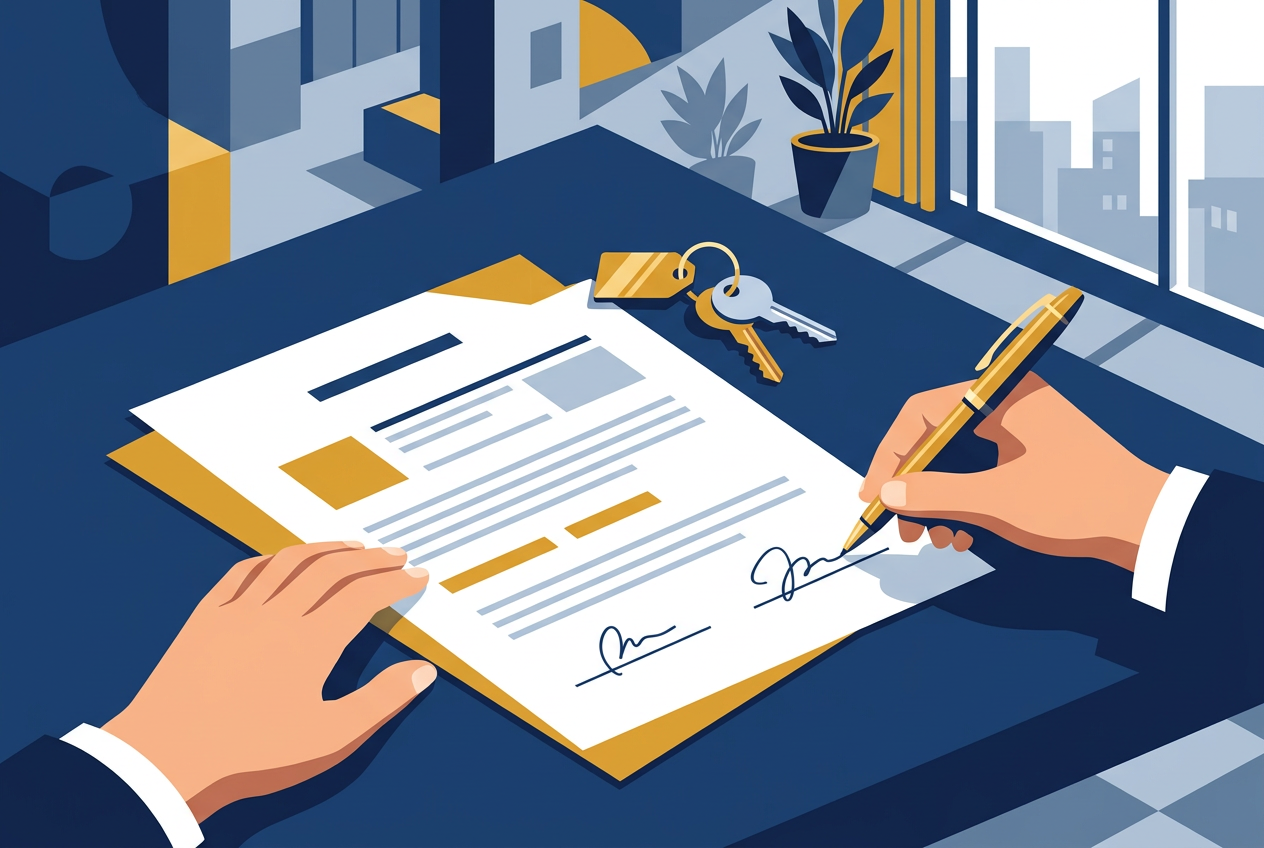
Rent-to-own is an agreement where you rent a home with the possibility of buying it in the future. Part of your monthly rent accumulates as credit toward the purchase price. It can be a good option if you don't yet qualify for a mortgage, but it has important risks you should know about.

How it works: step by step

  • 1. Sign a contract that combines rental with a purchase option

  • 2. Pay an option fee: usually 1-5% of the home's price

  • 3. Pay higher monthly rent than normal (the extra accumulates as credit)

  • 4. At the end of the term (usually 1-5 years), you decide whether to buy or not

  • 5. If you buy, accumulated credits are applied to the purchase price

  • 6. If you don't buy, you generally lose the option fee and credits
  • Two types of contracts

    | Type | Description | Risk to you |
    |------|-----------|-------------|
    | Lease-option | You have the right but not the obligation to buy | Lower risk |
    | Lease-purchase | You are obligated to buy at the end of the term | Higher risk |

    Tip: Always prefer a lease-option that gives you the flexibility to decide.

    Practical example

    | Concept | Amount |
    |---------|--------|
    | Agreed home price | $200,000 |
    | Option fee (3%) | $6,000 |
    | Normal area rent | $1,200 |
    | Rent you pay (with credit) | $1,500 |
    | Monthly credit toward purchase | $300 |
    | Agreement term | 3 years |
    | Total credit accumulated | $10,800 ($300 x 36 months) |
    | Total applied to price | $16,800 ($6,000 + $10,800) |
    | Remaining price to finance | $183,200 |

    Advantages of rent-to-own

  • Time to improve your credit before applying for a mortgage

  • Time to save for the down payment

  • Lock in the price today (protection if prices rise)

  • Test the home and neighborhood before buying

  • Build equity while renting

  • Can be an option if you don't have SSN yet or credit history in the USA
  • Risks and disadvantages

    For the tenant/buyer:

  • Loss of money: if you don't buy, you lose the option fee and accumulated credits

  • Higher rent: you pay above market monthly

  • Repair responsibility: many contracts put maintenance on you

  • Overvalued price: the agreed price may be higher than actual market value

  • Seller problems: if the seller has debts, the home could go to foreclosure

  • Can't qualify for mortgage: if you can't get financing at the end, you lose everything
  • What should a good rent-to-own contract include?

    | Essential element | Why it matters |
    |-------------------|---------------|
    | Agreed purchase price | Avoid surprises when buying |
    | Option fee and if refundable | Know how much you lose if you don't buy |
    | Exact monthly credit | How much of your rent applies to purchase |
    | Agreement term | How long you have to decide |
    | Maintenance responsibilities | Who pays for what repairs |
    | Conditions for losing the option | What happens if you miss a payment |
    | Property title status | Confirm there are no debts or liens |
    | Right to inspection | Ability to inspect before buying |
    | Who pays taxes and insurance | Usually the seller until purchase |

    How to protect yourself

    Before signing:


  • 1. Hire a real estate attorney to review the contract

  • 2. Get a professional inspection of the property

  • 3. Get an independent appraisal to verify the price is fair

  • 4. Research the title history (title search) to confirm there are no debts

  • 5. Verify the seller is the actual owner of the property

  • 6. Check for any pending lawsuits or liens
  • During the agreement:


  • Pay by check or transfer (never cash without a receipt)

  • Keep all payment receipts

  • Actively work on improving your credit

  • Save for the additional down payment you'll need

  • Document any improvements or repairs you make
  • Scam warning signs

  • The seller is not the real owner of the property

  • They pressure you to sign without giving you time to review

  • They don't want you to hire a lawyer

  • The price is much higher than similar properties in the area

  • The contract doesn't specify what happens to your credits if you don't buy

  • They ask for cash payments without receipts

  • The property has serious housing code violations

  • The seller is in the process of foreclosure
  • Alternatives to rent-to-own

    | Alternative | Best if... |
    |-------------|-----------|
    | FHA mortgage | You have at least 3.5% down payment and 580+ credit score |
    | USDA loan | You're looking for a home in a rural area |
    | VA loan | You're a veteran or active military |
    | State assistance programs | You're a first-time low-income buyer |
    | Traditional saving | You can wait and save for the down payment |

    Is rent-to-own right for you?

    It can be a good option if:

  • You don't qualify for a mortgage now but will in 1-3 years

  • You're actively building credit

  • You found a property you really want

  • The agreed price is fair or below market
  • It's probably NOT for you if:

  • You're not sure you can improve your credit in the timeframe

  • You can't comfortably pay the higher rent

  • You don't have the initial option fee

  • You haven't consulted with a lawyer
  • Resources

  • CFPB: consumerfinance.gov (home buying guides)

  • HUD: 800-569-4287 (free housing counseling)

  • FTC: reportfraud.ftc.gov (report scams)

  • Nolo.com: legal rent-to-own guides
  • Rent-to-own can be a path to homeownership, but only if you do it with information, legal advice, and plenty of caution. Never sign without fully understanding what you are agreeing to.

    Frequently Asked Questions